
How to release hidden blockages through Family Constellations
Understanding inner blocks
See where the same patterns repeat, how your emotions influence your choices, and which beliefs limit your actions. These elements work together and shape your ability to move forward.
Identifying recurring challenges
Observe situations that appear again and again: conflicting relationships with the same type of partner, career blockages at every promotion, or constant avoidance of important decisions. Make a concrete list of events and behaviors, with dates or recent examples, not vague generalizations.
Note what happens before, during, and after each episode. Look for patterns in people, contexts, or associated emotions. If you see the same reactions in different situations, it’s probably an internal pattern, not just an external circumstance.
The connection between emotions and decisions
Emotions are not just reactions; they often guide your choices without you realizing it. Observe what you feel when faced with a decision: fear that paralyzes you, shame that makes you withdraw, or guilt that makes you give up on yourself.
Use a short journal: note the dominant emotion and the decision made in 1–2 sentences after an important event. This exercise shows you the direct link between feeling and behavior and helps you choose consciously instead of reacting automatically.
The impact of limiting beliefs
Beliefs like “I don’t deserve it,” “I’m not capable,” or “that’s just how we are in our family” filter reality and reduce the options you see. Identify three statements that frequently appear in your inner dialogue; ask yourself where they come from and if they are true for all situations.
Test each belief through small actions: shift your perspective with a concrete experiment (e.g., ask for feedback at work, set a boundary in a relationship) and observe the result. Experiential evidence helps you recalibrate beliefs and expand available choices.
Introspection and awareness in the healing process
Introspection offers you practical tools to identify emotions, beliefs, and patterns. Awareness helps you distinguish what belongs to you from what comes from family or social history.
The connection between emotions and decisions
Emotions are not just reactions; they often guide your choices without you realizing it. Observe what you feel when faced with a decision: fear that paralyzes you, shame that makes you withdraw, or guilt that makes you give up on yourself.
Use a short journal: note the dominant emotion and the decision made in 1–2 sentences after an important event. This exercise shows you the direct link between feeling and behavior and helps you choose consciously instead of reacting automatically.
Self-analysis techniques for clarity
Use a structured journal: divide pages into “Event — Emotion — Thought — Response.” This scheme clarifies cause-and-effect links and reduces cognitive confusion. Write for 5 minutes daily, focusing on a single event.
The “ask and answer” practice in the mirror accelerates bodily awareness. Ask a short question and observe your voice tone, micro-expressions, and body sensations. Note the differences between the rational and somatic responses.
The 3-level technique: identify the immediate reaction, follow the possible cause, then ask what unmet need underlies it. This path takes you from symptom to real need, offering concrete steps for change.
The Importance of recognizing inherited patterns
Recognizing transgenerational patterns shows you when you take on responsibilities, beliefs, or emotional debts of the family. Ask yourself: “Do I accept this out of loyalty or because it suits me?” The answer helps you separate your identity from inherited burdens.
Observe recurring signs: conflicts similar to those in the family, life choices that replicate parental models, or transmitted shame. Note the frequency and context; patterns that reappear are often signs of an unseen inheritance.
When you identify such an inheritance, you can choose practical steps: clear boundaries, conversations with family members, or working with a family constellations facilitator. Thus, you transform recognition into concrete and responsible action.
Family Constellations: the key to personal release
Family constellations can help you identify hidden connections, transgenerational patterns, and unassumed responsibilities that affect your life. You will find clarity on the source of blockages and practical steps to release them.
How unresolved family dynamics work
Unresolved family dynamics occur when events, losses, or unexpressed roles remain “in the system” and influence the behaviors of subsequent generations. In practice, this means you can take on feelings, guilt, or decisions of parents or ancestors without realizing the source.
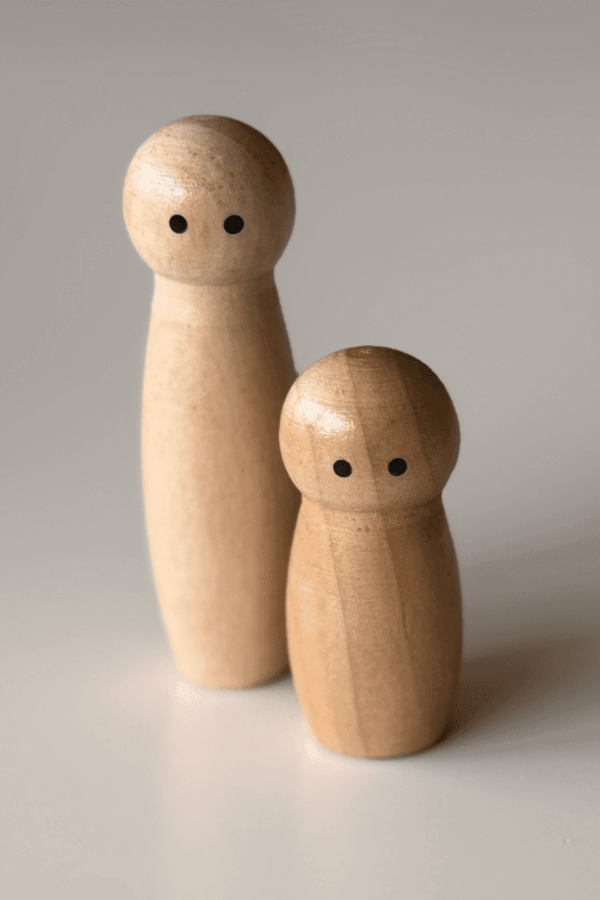
Family constellations allow these relationships to be represented in a space—either through people or objects—to observe positions, emotional distances, and violated order. By observing these patterns, you will see why certain choices repeat, why you attract certain types of relationships, or why you feel an inexplicable emotional burden.

Signs you are carrying family burdens
Observe concrete signs: repeated relational patterns (e.g., absent or authoritarian partners), inexplicable anxiety related to success, persistent guilt about joy, or exaggerated responsibility for the well-being of others. Also, chronic health problems or professional choices that seem “imposed” can reflect invisible loyalties.
If you feel that certain emotions are not yours or that you are taking on someone else’s suffering, this is a strong indicator. Note situations where you react intensely and check if they correspond to family narratives (silences, secrets, traumas). This inventory will help you prioritize intervention.
Benefits of integrating Family Constellations
Working with constellations brings rapid clarity on the source of relational and emotional problems, allowing you to separate what belongs to you from what belongs to the family. In practice, you will observe a reduction in repeating patterns, improved relationships, and a decrease in inner tensions that consumed your energy.
On a practical level, many people report clearer life decisions, more peaceful sleep, and a greater ability to set healthy boundaries. Integration can include simple steps: recognizing the assumed role, uttering a statement of separation, or a guided session to reorder loyalties—all aimed at restoring balance in your life.
Personalized recommendations for balance and fulfillment
Clearly identify what is blocking you, choose a clear direction for work, and follow concrete, measurable steps. You will receive practical tools, an action plan, and support steps to sustain change in the short and long term.
Practical steps towards change
Start by noting in 3-5 sentences the main problem: when it appears, what triggers the reaction, and what you feel in your body then. This clarity helps you observe repetitive patterns and separate what belongs to you from what you have taken on from your family.
Practice neutral observation: for 2 minutes, breathe deeply and observe the thought that frustrates you without judging it. Repeat daily for a week and write a short note about what has changed.
Use an anchoring exercise: choose a hand position or a short phrase to repeat when the old reaction appears. Repetition creates a new behavioral pathway.
If you feel strong family ties, identify a memory or a family rule that you can clearly name. Naming reduces the power of the emotional impulse and allows for conscious intervention.
Creating a sustained action plan
Set 3 small, measurable, verifiable goals within 14 days (e.g., write 3 pages about a difficult memory; practice observation for 7 days; use anchoring 5 times). Note what you will do, when, and where.
Allocate clear roles: what you do, what a friend or therapist can do, what external resources (books, constellation workshops) you will access. This transforms intention into structure.
Monitor weekly progress with a 1–10 scale for emotion, energy, and clarity. Adjust goals based on the data provided.
Schedule at least one reflection session with a guide or facilitator within the first 4 weeks to ensure you don’t revert to automatic patterns.
Gentle support for taking the next step
Choose a concrete step for the next 48 hours and commit publicly or in your journal: the date and time you will do it. Commitment increases the likelihood of follow-through.
Ask for specific support: tell someone “I will do X on date Y, please ask me about it.” External support acts as a gentle reminder and accountability.
If you choose Family Constellations, prepare a short phrase about your topic and an object to represent the central person. This saves time and clarifies your intention in the session.
Schedule a 7-day check-in: note what went well, what was difficult, and what’s next. Be gentle with yourself; taking small steps creates lasting change.
Take the next step: I await you at the Soul Gathering, the July retreat in Iași
Theory is only the first step towards clarity, but true transformation occurs when you bring these insights into the safe space of a community. If you have recognized patterns that do not belong to you or blockages that hold you back in the lines above, I invite you to explore, understand, and release them together through dedicated workshops.
Come and experience the profound power of Family Constellations within our special events:
-
Soul Gathering: A warm space for intuitive connection, introspection, and guided family constellation exercises, specially created to shed light on the unseen dynamics in your life.
-
Iasi Retreat (July 17-19, 2026): Three intense days of reconnection, deep systemic work with your transgenerational history, emotional release, and practical steps for a life lived in balance and complete freedom.
Take heart and choose with confidence to invest in your peace of mind. Spaces for these experiences are limited to maintain the intimacy and full safety of group work.
Similar Articles
Feng Shui and Personal Growth: How Does the Space We Live In Influence Us?
Fear of abandonment and fear of intimacy can exist within the same relationship. Discover how early experiences may influence emotional closeness and our sense of safety in relationships.
Fear of Abandonment and Fear of Intimacy
Fear of abandonment and fear of intimacy can exist within the same relationship. Discover how early experiences may influence emotional closeness and our sense of safety in relationships.
Fear of Abandonment and Fear of Intimacy
Fear of abandonment and fear of intimacy can exist within the same relationship. Discover how early experiences may influence emotional closeness and our sense of safety in relationships.